
Introduction: Why Creatine Still Matters in 2026
For athletes, lifters, and fitness enthusiasts, creatine remains one of the most researched and effective supplements available. Unlike trendy, short‑lived products, creatine’s benefits are supported by decades of clinical data showing real gains in strength, performance, and recovery. Whether you train for muscle growth, power, or overall athletic performance, understanding how creatine works and how to use it correctly is key to maximizing your results.
In this article, you’ll learn the science behind creatine, real test findings, optimal dosing strategies, safety considerations, and practical tips to make it work for you.
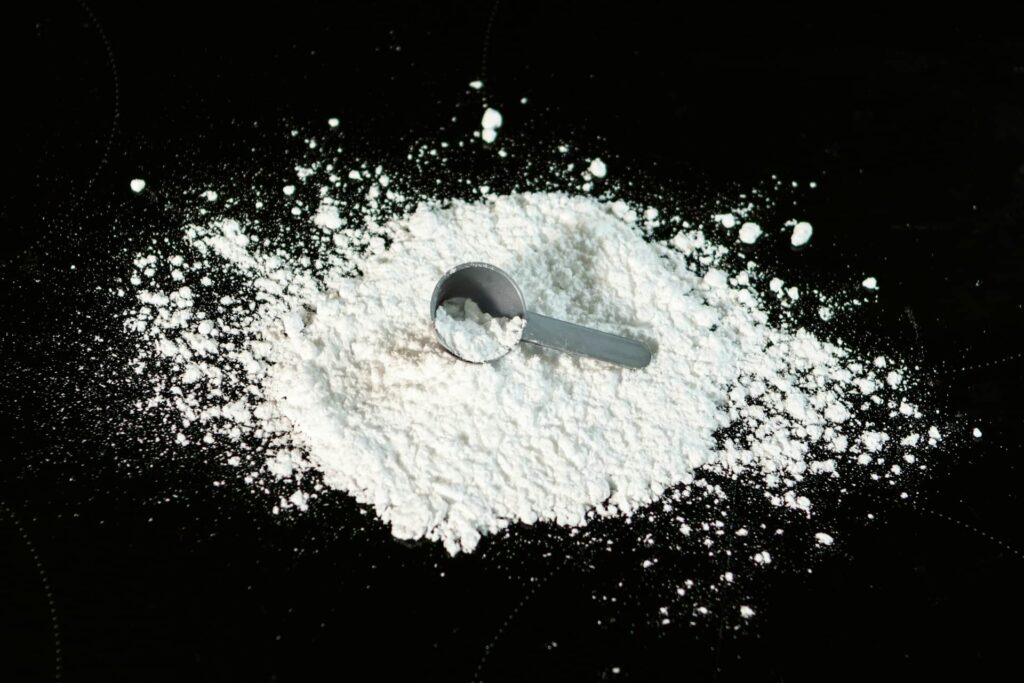
What Is Creatine & How It Works
Creatine is a naturally occurring compound mostly stored in skeletal muscle and used to regenerate ATP (adenosine triphosphate) — the primary energy molecule for short, high‑intensity efforts. Supplementing with creatine increases muscle phosphocreatine stores, helping you perform more reps and recover faster during intense workouts.
Best‑studied form: Creatine monohydrate is the gold standard; alternative forms (e.g., creatine ethyl ester) haven’t shown superior benefits.
Evidence‑Backed Benefits of Creatine
Enhanced Strength & Power
Creatine supplementation significantly improves performance during high‑intensity, short‑duration activities like weightlifting and sprinting by increasing available energy. Several meta‑analyses show notable increases in strength and power metrics when creatine is used alongside resistance training.
Muscle Growth & Performance Capacity
In controlled trials, creatine helps muscles sustain more intense training and greater volume, which often translates into muscle mass gains over time. Supplement protocols that raise muscle creatine stores allow for higher training loads and improved adaptations.
Recovery & Training Tolerance
Creatine may reduce muscle cell damage and inflammation after intense training, helping athletes recover more quickly and maintain training quality.
Potential Brain Support
Some research shows creatine’s role in ATP regeneration may also support cognitive performance — particularly in situations of metabolic stress, such as sleep deprivation or aging — although more studies are needed.
Real Research Results You Can Trust
Here’s what science shows about creatine use:
| Outcome | Scientific Finding |
|---|---|
| Strength & Power | Enhanced high‑intensity performance metrics, especially with resistance training. |
| Muscle Mass | Greater training load and muscle adaptation compared to placebo. |
| Recovery | Reduced post‑exercise muscle damage and inflammation. |
| Cognitive Function | Possible improvement under stress or in aging populations. |
Most evidence shows creatine is especially effective for short bursts of intense effort rather than long‑duration endurance exercise.
How to Use Creatine: Dosage & Timing
Standard Protocol
- Loading phase (optional): ~20 g/day (split into 4 doses) for 5–7 days.
- Maintenance: 3–5 g/day thereafter — the most commonly recommended and studied dose.
Loading Phase Alternatives
Some opt to skip loading and take 3–5 g/day consistently. Over several weeks, muscle creatine stores still rise. The one we recommend and use is this one.
Timing Matters Less Than Consistency
Studies suggest that daily consistency is more important than perfect timing relative to workouts. Taking creatine with meals might aid absorption slightly, but the overall effect is driven by build‑up over time, not acute timing.
Safety & Side Effects
Creatine monohydrate has been studied extensively, with evidence showing minimal adverse effects in healthy adults. Research spanning short‑term to multi‑year supplementation shows no significant harm to liver or kidney function in individuals without pre‑existing conditions.
Common mild side effects:
- Water retention and temporary weight gain (especially early or during loading).
- Gastrointestinal discomfort at high doses.
Important: People with kidney disease or those on specific medications should consult a healthcare provider before use.
Use of creatine is at your own risk. Consult a healthcare professional if you have any pre-existing conditions or concerns.
Frequently Asked Questions
Q: Does creatine make you gain fat?
Not directly. Initial weight gain is usually water retention within muscle cells, not fat. Link
Q: Can women and older adults benefit from creatine?
Yes — studies indicate potential benefits for muscle strength and maintenance in a broad range of populations, including older adults when combined with resistance exercise. Link
Q: Does creatine damage kidneys?
No clear evidence shows creatine harms kidney function in healthy individuals at recommended doses; elevated creatinine can reflect increased intake, not dysfunction, but medical consultation is advised for at‑risk individuals. Link
Conclusion / Final Takeaway:
Creatine monohydrate remains one of the most effective and well-researched supplements for strength, muscle growth, and improved recovery. Backed by decades of scientific studies, it is safe for healthy adults and supports consistent training performance. By using creatine with proper dosing and consistency, athletes and fitness enthusiasts can unlock measurable gains, enhance workout results, and accelerate recovery between sessions. Whether your goal is to build lean muscle, increase power, or optimize overall performance, creatine offers a science-backed solution that continues to deliver results and help you reach your fitness goals.